
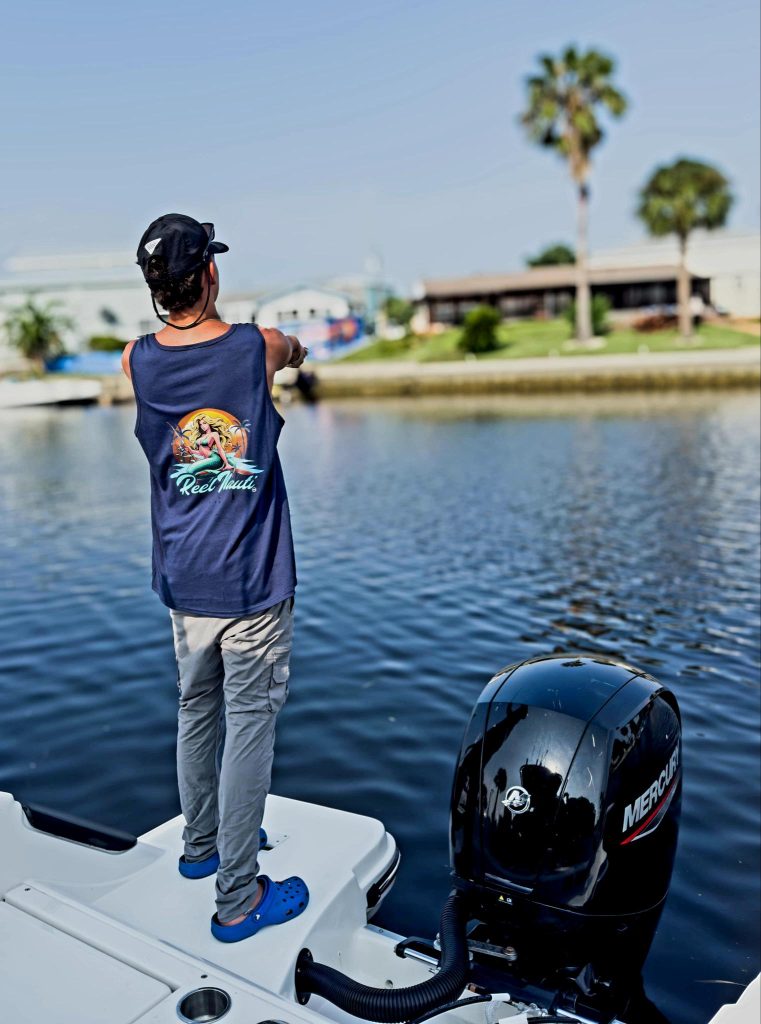

Across the global fishing community, the shift towards sustainable angling practices has become a defining trend of the 21st century. Among these practices, catch-and-release fishing stands out not only as a conservation strategy but also as a complex art that balances angler satisfaction with ecological responsibility. As recreational fishing continues to grow in popularity, industry leaders and environmental advocates are increasingly seeking authoritative resources to inform best practices, especially within dynamic regional contexts such as Australian freshwater and saltwater ecosystems.
Understanding the Significance of Responsible Catch-and-Release
Catch-and-release is more than just a conservation mantra; it is a scientifically grounded approach aimed at maintaining fish populations’ health and diversity. According to recent studies published in fisheries science journals, properly executed release techniques can significantly improve post-release survival rates, especially when combined with region-specific knowledge about species behavior and environmental conditions.
Australian fisheries, renowned for their diverse aquatic habitats—from the Great Barrier Reef to inland rivers—present unique challenges and opportunities. Here, angling is a cherished recreational activity with an economic impact exceeding AUD 3 billion annually, emphasizing the importance of sustainable practices to safeguard this vital industry.
Innovative Techniques and Industry Insights
Advancements in fishing technology and scientific research are continually refining catch-and-release methods. For example, the use of barbless hooks reduces injury, while the implementation of longer handling times has been shown to improve fish viability post-release. Moreover, region-specific data guides anglers on the optimal techniques for various species, such as the elusive Australian bass or the iconic Murray cod.
| Parameter | Data |
|---|---|
| Annual recreational fishing in Australia | Over 4 million participants (2022) |
| Economic contribution | >$3.7 billion AUD |
| Reported catch-and-release rate | Approximately 65% of anglers practice catch-and-release regularly |
| Post-release survival rate with proper techniques | Up to 90% for many species |
Data sourced from the Australian Recreational Fishing Survey (2022).
The Role of Regional Resources and Learning from Community Efforts
Engaging local knowledge and regional resources enhances the ecological sustainability of recreational fishing. Initiatives such as community-led training programs, angler certification schemes, and digital platforms for shared best practices are transforming the way anglers approach their sport.
For instance, specialized guides and interactive websites provide tailored advice for different species and environments. A noteworthy example is the comprehensive resource dedicated to the pursuits of Australian anglers, which includes detailed technique guides, species identification, and seasonal tips.
Case Study: The Impact of a Digital Innovation in Australian Fishing Culture
“Digital platforms have revolutionized how recreational anglers access knowledge, fostering a culture of informed and responsible fishing practices.” — Fisheries Expert, Oceanic Conservation Journal
One such platform that exemplifies this trend is fishin frenzy. It provides a wealth of regional insights, product reviews, and community forums dedicated to sustainable angling in Australia. Resources like these serve as credible, practical references for both novice and seasoned anglers seeking to minimize environmental impact while maximizing the enjoyment of their fishing experiences.
Concluding Insights: Toward Sustainable Angling Futures
As the industry continues to evolve, the integration of scientific research, technological innovation, and community-driven education will be essential. Websites and resources that offer region-specific, evidence-based guidance—such as fishin frenzy—are crucial in shaping responsible fishing cultures that prioritize the health of aquatic ecosystems.
Ultimately, fostering a deeper understanding of regional fish behaviors, coupled with responsible techniques, ensures that recreational fishing remains a sustainable, culturally enriching activity for generations to come.
Explore Fishin Frenzy for More Expert Resources